
HERE’S HOW I TRANSITION MY INDOOR PLANTS BACK INDOORS FOR THE SEASON


Hello fellow plant enthusiasts! As summer winds down, it’s time to think about bringing our beloved indoor plants back inside. This transition can be a bit tricky, but with the right approach, you can ensure your green companions thrive throughout the winter months.
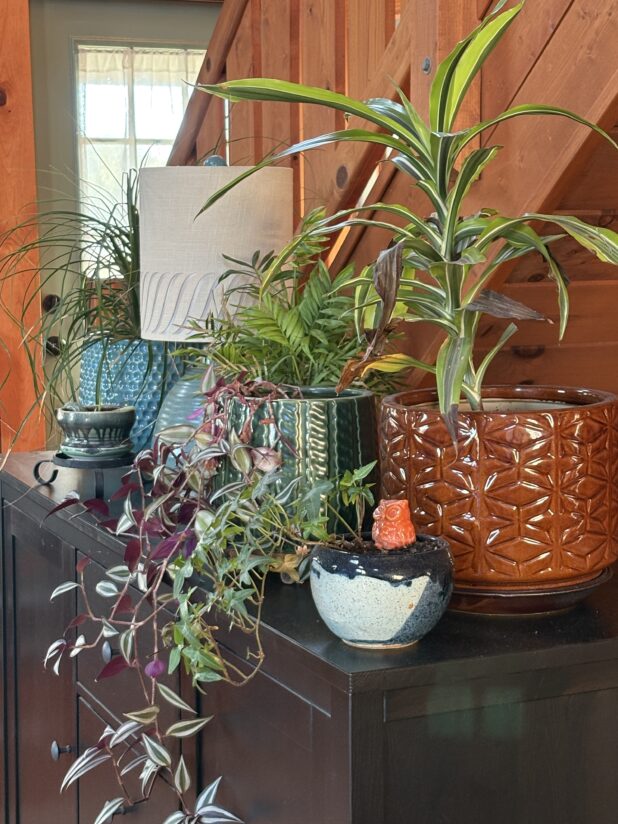
My Summer Plant Vacation
As summer fades and the nights grow cooler, it’s time to think about bringing your beloved houseplants back indoors. This transition can be a bit of a shock for your green companions, but with a little care and preparation, you can ensure a smooth and healthy return to their indoor homes.
Personally, I take my indoor plants out every summer for some well-needed rainwater and natural sunshine. Not to mention it’s less work for me, letting them thrive on their own except for an occasional watering. It also frees up space in the house, which means less dusting around the plants!
Now that it’s dipping down into the 30s at night, it’s time to bring those houseplants back inside for the winter. Here’s how to do it right:
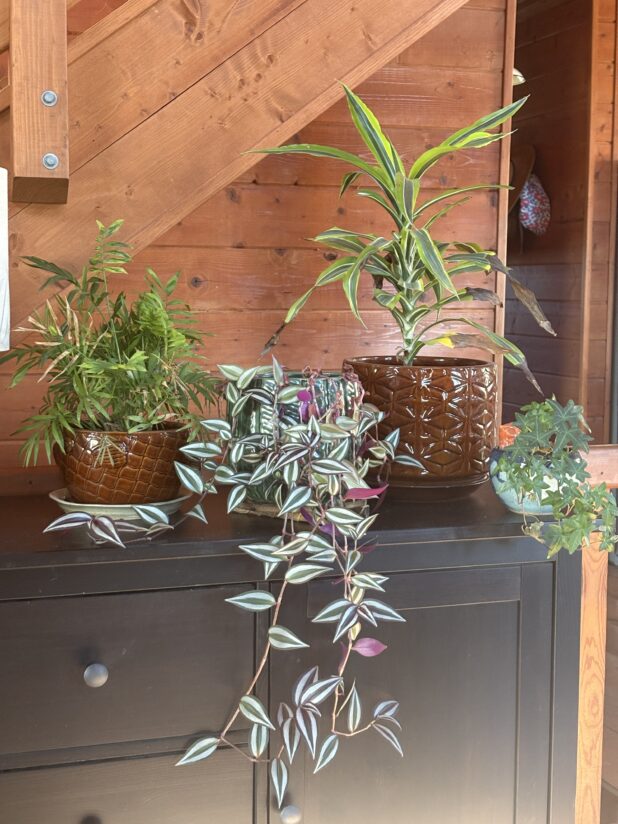
Pre-Entry Inspection and Prep
Before you even think about moving your plants indoors, give them a thorough inspection. Look for any signs of pests like aphids, spider mites, or mealybugs. Check both the tops and undersides of leaves, as well as the stems and soil surface.
Pest Control: If you find any pests, treat your plants with an appropriate insecticidal soap or neem oil before bringing them inside. Isolate the treated plants from others to prevent any potential spread.
Clean the Pots: Wipe down the outside of the pots to remove any dirt or debris. This helps prevent bringing unwanted critters or mold into your home.
Prune and Trim: Now is a good time to prune any dead, damaged, or yellowing leaves. This not only improves the plant’s appearance but also reduces the risk of disease. (By the way I’m terrible about doing this step. I normally wait until a friend notices they need a trim before I get on it.)
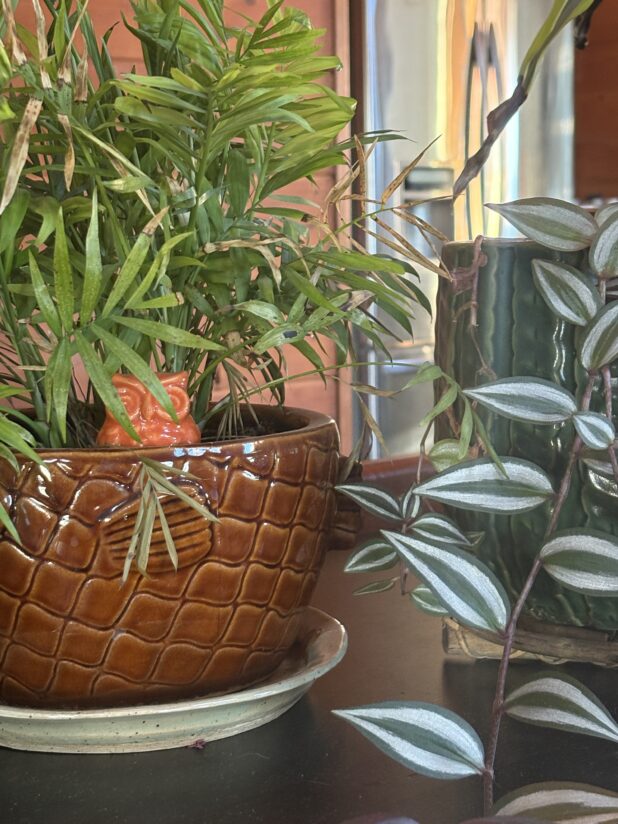
Acclimatizing to Indoor Conditions
The sudden change in environment from outdoors to indoors can be stressful for plants. To minimize plant shock, gradually acclimatize them to their indoor environment.
Gradual Transition: Start by bringing your plants indoors for a few hours each day, gradually increasing the amount of time they spend inside. This allows them to adjust to the lower light levels and different humidity.
Location, Location, Location: Place your plants in a spot that mimics their outdoor conditions as closely as possible. For example, if they were in full sun outdoors, place them near a sunny window indoors. But remember, the sun shines through glass differently! Be cautious of direct sun that could scorch leaves.
Temperature Considerations: Avoid placing plants near drafts or heat sources like radiators or vents. Consistent temperatures are key to their well-being.
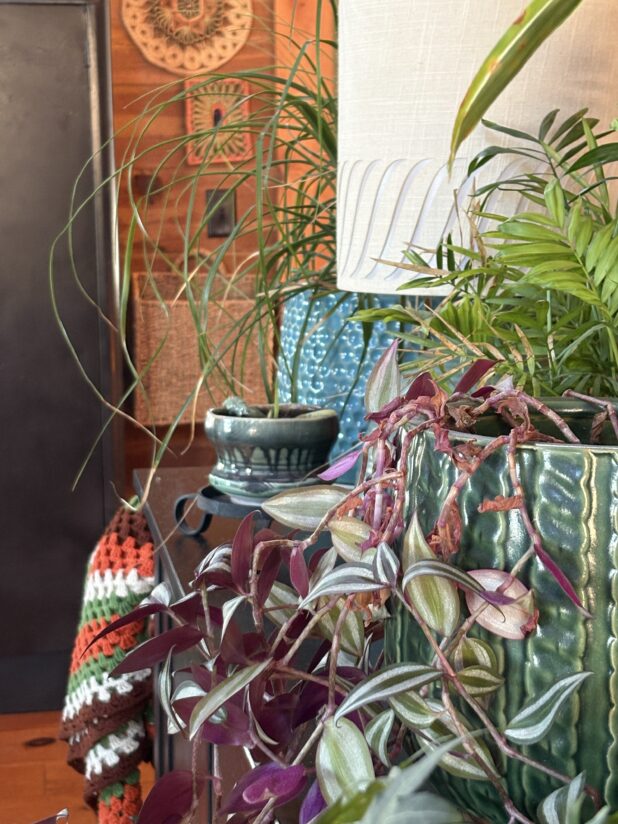
Watering and Fertilizing
As the growing season slows down, your plants will need less water and fertilizer.
Watering: Reduce the frequency of watering, allowing the soil to dry out slightly between waterings. Overwatering is a common problem during the winter months.
Fertilizing: Hold off on fertilizing until the spring when new growth begins. Fertilizing during the dormant season can actually harm your plants.
When to Cut Off Dead or Dying Material: Continue to monitor your plants for any signs of dead or dying foliage. Remove these promptly to prevent the spread of disease. Use clean, sharp pruning shears or scissors.
Humidity and Light
Indoor environments tend to be drier than outdoors, especially during the winter. Low humidity can lead to dry leaf tips and stressed plants.
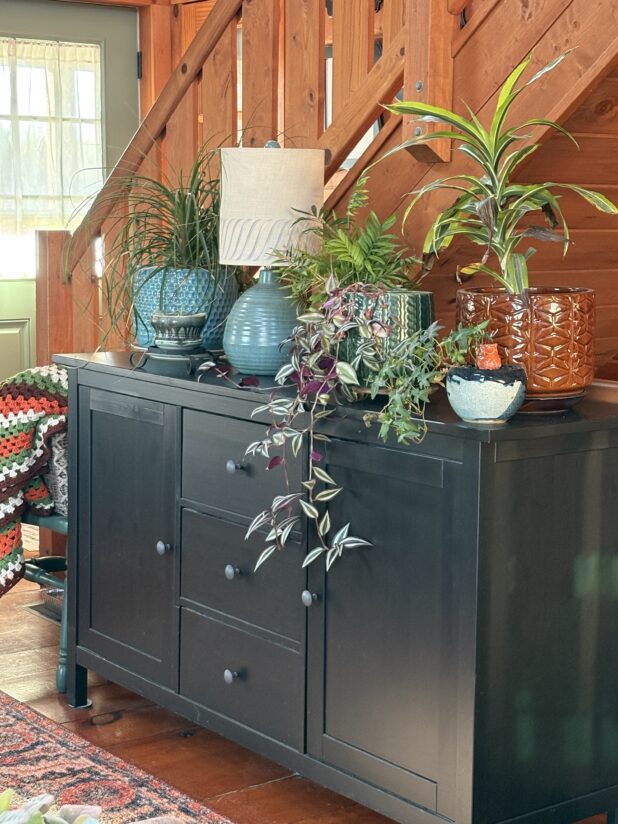
Increase Humidity: Increase humidity around your plants by using a humidifier, grouping plants together, or placing them on trays filled with pebbles and water. Make sure the pots are not sitting directly in the water.
Light Adjustment: As the days get shorter, your plants may need supplemental light. Consider using a grow light to provide them with the light they need to thrive. Rotate plants regularly to ensure even light exposure. What works best for me is to keep them near a window and I make sure I open the curtains during peak daylight hours everyday.
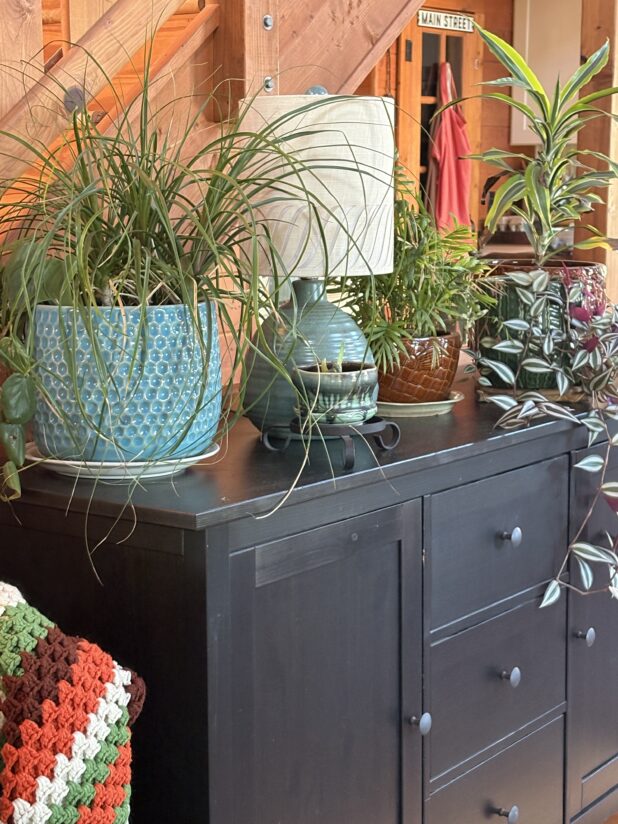
Transitioning your houseplants back indoors for the winter doesn’t have to be a stressful experience. With careful inspection, gradual acclimatization, proper watering, and attention to humidity and light, you can keep your green companions happy and healthy throughout the colder months. Enjoy your indoor oasis!


